

Cezzi's
© 2026 Cezzis.com | All rights reserved.
© 2026 Cezzis.com | All rights reserved.
A tart vodka highball that pairs cranberry and grapefruit for the sharper edge of the Breeze family.
Servings
1
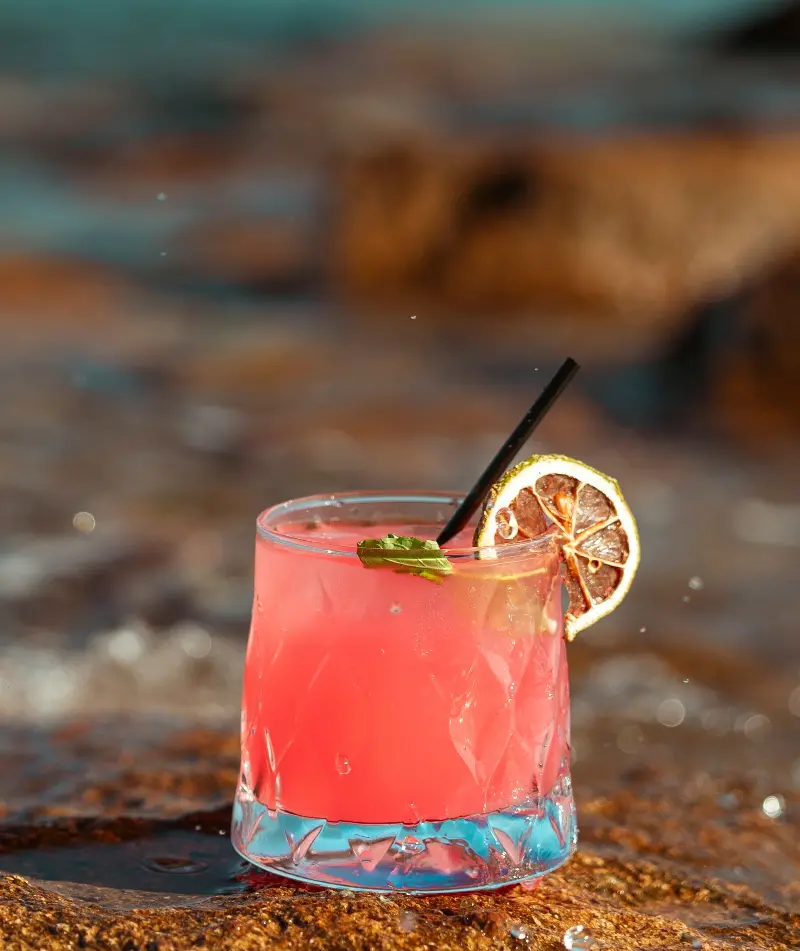
The Sea Breeze is one of the clearest examples of how a modern highball can feel both easygoing and precise. Vodka provides a clean frame, while cranberry juice brings tart red-fruit depth and grapefruit contributes a drier, slightly bitter lift. The result is crisp, bright, and unmistakably refreshing.
Though simple, it is not flat. The drink works because each part has a clear job: vodka carries the structure, cranberry supplies body and color, and grapefruit keeps the finish from turning sweet.
The Sea Breeze is usually associated with the late-20th-century wave of fruit-driven vodka drinks that became fixtures of hotel bars, beach resorts, and casual American cocktail culture. Its broader family includes close relatives such as the Cape Codder and the Bay Breeze, all of which show how one base structure can shift character with a single juice change.
Cranberry's rise in year-round distribution also helped make the drink widely recognizable. In that sense, the Sea Breeze belongs not just to cocktail history, but to the history of modern American grocery and bar culture.
What separates the Sea Breeze from a simple vodka-cranberry is grapefruit. That extra note of bitterness and citrus oil changes the entire balance of the drink. It makes the finish feel cleaner, sharper, and more adult.
Because the recipe is so spare, proportion matters. Too much cranberry and it can read as sweet and one-dimensional. Too much grapefruit and it starts to resemble a Greyhound with color. In balance, it lands exactly where it should: vivid, breezy, and lightly tart.
The Sea Breeze has lasted because it asks very little of the drinker while still delivering a complete profile. It is approachable without feeling dull and familiar without being shapeless. That balance keeps it useful at brunch, by the water, or anywhere a simple cold drink is the right answer.
Best in warm weather, especially for daytime drinking and easygoing gatherings. 🌊🍹
Nutritional and allergen information are estimates and for educational purposes only. Ingredient formulations change frequently across different commercial brands. A generic ingredient name (e.g., "coffee liqueur") may contain hidden allergens, dairy, or animal products depending on the specific brand you purchase.
Always review the manufacturer packaging and actual ingredients you use before consuming, especially if you have severe food allergies or dietary restrictions. Use this website at your own risk.
Discover other related cocktails you might also enjoy, with similar ingredients, style, or spirit.
Explore the curated collections this cocktail belongs to, grouped by spirit, season, holiday, and occasion.

Discover refreshing summer cocktails for hot days, outdoor parties, and easy weekend sipping.

Browse Easter cocktails with spring flavors, lighter styles, and brunch-friendly appeal.

Browse Mother's Day cocktails with brunch-friendly pours, floral notes, and polished celebratory drinks.
Explore Memorial Day cocktails for cookouts, long weekends, and the start of summer entertaining.

Discover 4th of July cocktails for cookouts, fireworks parties, frozen drinks, and summer hosting.

Find Labor Day cocktails for long-weekend gatherings, late-summer patios, and easy party drinks.

Explore vodka cocktails that are clean, crisp, easy to mix, and highly versatile.

Explore classic cocktails like old fashioneds, sours, martinis, and other timeless favorites.
Discover other related cocktails you might also enjoy, with similar ingredients, style, or spirit.
Explore the curated collections this cocktail belongs to, grouped by spirit, season, holiday, and occasion.
Discover refreshing summer cocktails for hot days, outdoor parties, and easy weekend sipping.
Browse Easter cocktails with spring flavors, lighter styles, and brunch-friendly appeal.
Browse Mother's Day cocktails with brunch-friendly pours, floral notes, and polished celebratory drinks.
Explore Memorial Day cocktails for cookouts, long weekends, and the start of summer entertaining.
Discover 4th of July cocktails for cookouts, fireworks parties, frozen drinks, and summer hosting.
Find Labor Day cocktails for long-weekend gatherings, late-summer patios, and easy party drinks.
Explore vodka cocktails that are clean, crisp, easy to mix, and highly versatile.
Explore classic cocktails like old fashioneds, sours, martinis, and other timeless favorites.


