

Cezzi's
© 2026 Cezzis.com | All rights reserved.
© 2026 Cezzis.com | All rights reserved.
A citrus-forward vodka cocktail balancing lemon juice, orange liqueur, and a touch of sweetness for a crisp, approachable Martini-style serve.
Servings
1
The Lemon Drop Martini belongs to the late-20th-century wave of vodka drinks that made cocktail culture feel brighter, fruitier, and more immediately accessible. At its best, it is not candy in a glass, but a clean citrus cocktail built on the same sweet-sour logic that has shaped mixed drinks for generations.
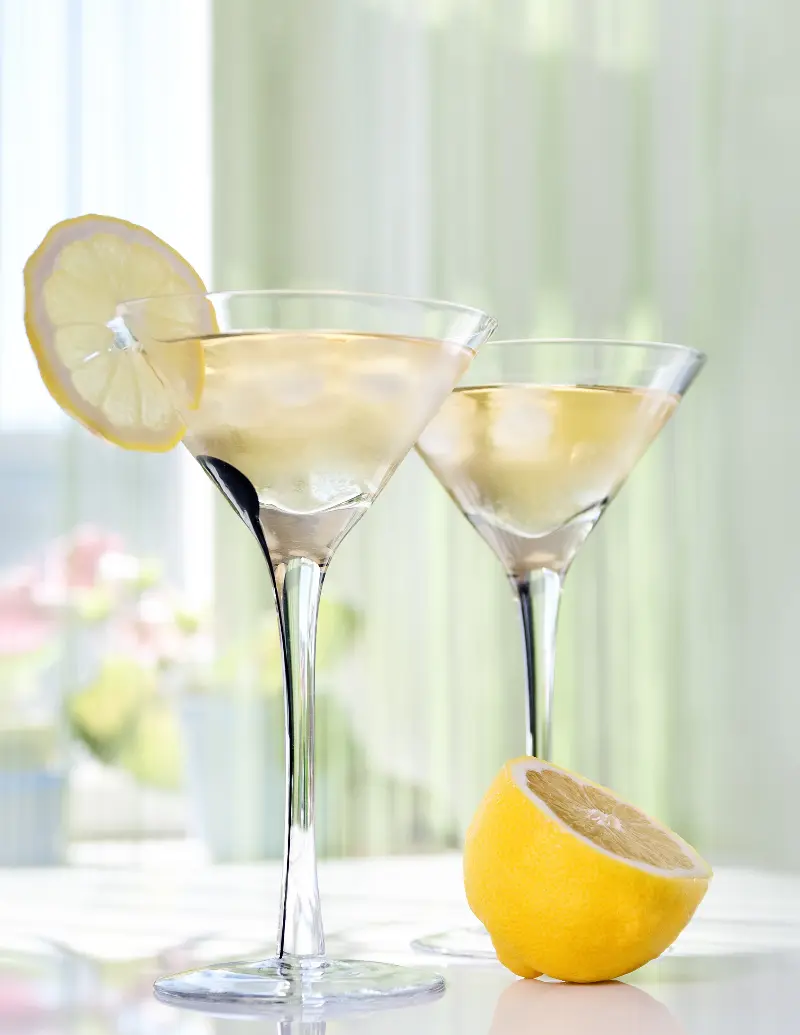
The Lemon Drop Martini is commonly linked to the San Francisco bar scene of the 1970s, and many accounts credit Norman Jay Hobday of Henry Africa's with popularizing it. As with many drinks from that era, the exact path from first pour to widespread adoption is not perfectly documented, but its rise fits the period well.
Vodka was becoming the default base for drinkers who wanted cocktails that felt smoother and less overtly botanical than gin.
Its name points to the lemon drop candy, but the drink succeeds only when it behaves like a real cocktail rather than a confection. Fresh lemon juice gives it structure, orange liqueur broadens the citrus profile, and a measured amount of sweetness keeps the finish soft rather than sharp.
That combination explains the drink's longevity. It is easy to understand on the first sip, but still benefits from balance and restraint.
The Lemon Drop Martini helped define the broader "martini menu" era, when bars expanded the term martini well beyond the classic gin-and-vermouth standard. Some of those drinks faded. The Lemon Drop endured because it still has a coherent frame: spirit, citrus, sweetness, and chill.
Served properly, it is brisk, aromatic, and cleaner than its reputation sometimes suggests. It works as a bridge drink as well, appealing to both casual drinkers and more cocktail-focused guests.
Best for celebrations, lively dinners, and menus that benefit from a bright, welcoming citrus option. 🍋🍸
Nutritional and allergen information are estimates and for educational purposes only. Ingredient formulations change frequently across different commercial brands. A generic ingredient name (e.g., "coffee liqueur") may contain hidden allergens, dairy, or animal products depending on the specific brand you purchase.
Always review the manufacturer packaging and actual ingredients you use before consuming, especially if you have severe food allergies or dietary restrictions. Use this website at your own risk.
Discover other related cocktails you might also enjoy, with similar ingredients, style, or spirit.
Explore the curated collections this cocktail belongs to, grouped by spirit, season, holiday, and occasion.

Browse light spring cocktails with citrus, herbs, floral notes, and fresh seasonal flavors.

Discover refreshing summer cocktails for hot days, outdoor parties, and easy weekend sipping.

Discover 4th of July cocktails for cookouts, fireworks parties, frozen drinks, and summer hosting.

Find Labor Day cocktails for long-weekend gatherings, late-summer patios, and easy party drinks.

Explore vodka cocktails that are clean, crisp, easy to mix, and highly versatile.

Browse martinis from classic gin builds to vodka versions and modern twists.
Discover other related cocktails you might also enjoy, with similar ingredients, style, or spirit.
Explore the curated collections this cocktail belongs to, grouped by spirit, season, holiday, and occasion.
Browse light spring cocktails with citrus, herbs, floral notes, and fresh seasonal flavors.
Discover refreshing summer cocktails for hot days, outdoor parties, and easy weekend sipping.
Discover 4th of July cocktails for cookouts, fireworks parties, frozen drinks, and summer hosting.
Find Labor Day cocktails for long-weekend gatherings, late-summer patios, and easy party drinks.
Explore vodka cocktails that are clean, crisp, easy to mix, and highly versatile.
Browse martinis from classic gin builds to vodka versions and modern twists.


