

Cezzi's
© 2026 Cezzis.com | All rights reserved.
© 2026 Cezzis.com | All rights reserved.
A bright gin Collins with lemon juice, simple syrup, and soda water, tied to the older and less settled side of Collins history.
Servings
1
The John Collins sits inside one of the oldest long-drink families in the bar world. It is tall, citrusy, and easy to understand at first sip, but the history behind the name is less tidy than the recipe itself.
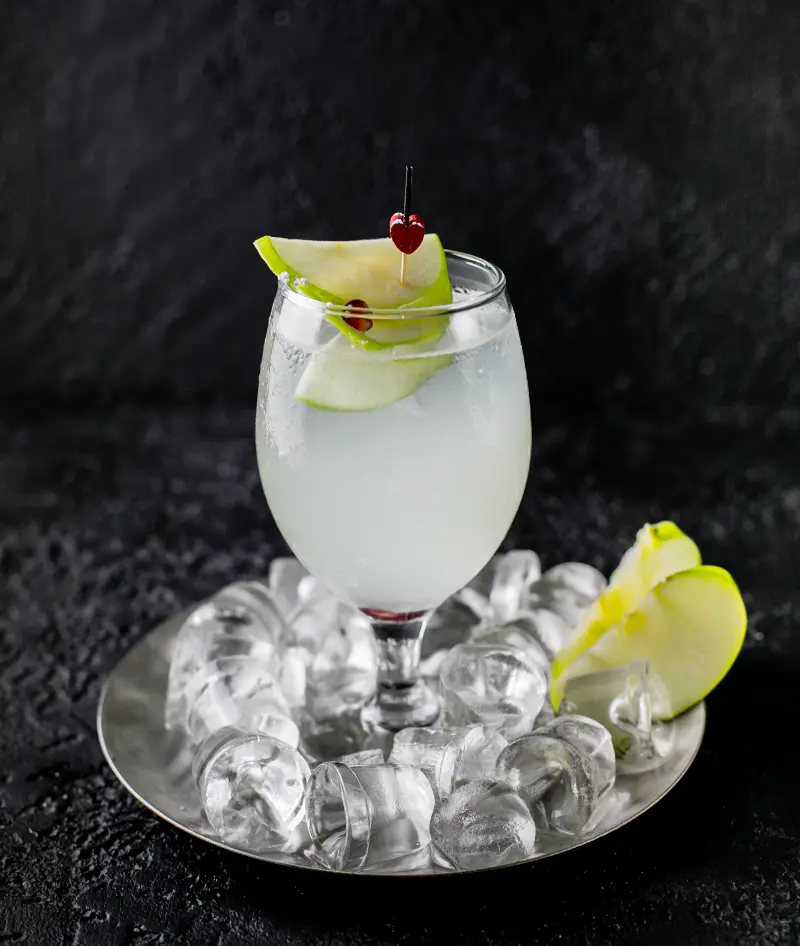
The Collins family sits inside tangled 19th-century London and New York bar lore. Older accounts often connect John Collins to the Limmer's Hotel story in London and to earlier Collins or Collins Punch naming, while the later rise of the Tom Collins blurred the distinction between the two.
The safest historical claim is not that John Collins always meant one fixed recipe, but that the name belongs to the earlier side of Collins history. That is also why later recipes do not always agree on the base spirit. Many older references point toward gin or genever-adjacent formulas, while modern regional usage can mean something else entirely.
In this version, gin keeps the drink lean and aromatic. Lemon juice keeps it sharp, simple syrup softens the edge, and soda water stretches everything into a proper highball. The result is refreshing without becoming thin.
That balance is what makes the Collins template so durable. It can adapt to different spirits while retaining the same basic appeal: bright acid, a little sweetness, and length from carbonation.
The John Collins endures because it belongs to a family that never really went out of style. Even when the exact naming drifted, the structure survived. That is often how old bar traditions work: the labels change around the edges, but the drink remains legible.
Best on warm afternoons or early evenings when a long, citrusy gin drink sounds right. 🍋🫧
Nutritional and allergen information are estimates and for educational purposes only. Ingredient formulations change frequently across different commercial brands. A generic ingredient name (e.g., "coffee liqueur") may contain hidden allergens, dairy, or animal products depending on the specific brand you purchase.
Always review the manufacturer packaging and actual ingredients you use before consuming, especially if you have severe food allergies or dietary restrictions. Use this website at your own risk.
Discover other related cocktails you might also enjoy, with similar ingredients, style, or spirit.
Explore the curated collections this cocktail belongs to, grouped by spirit, season, holiday, and occasion.

Browse light spring cocktails with citrus, herbs, floral notes, and fresh seasonal flavors.

Discover refreshing summer cocktails for hot days, outdoor parties, and easy weekend sipping.

Discover bourbon cocktails from strong classics to smooth whiskey drinks with rich, oaky flavor.

Browse whiskey cocktails with bourbon, rye, and other styles ranging from strong classics to smoother mixed drinks.

Explore classic cocktails like old fashioneds, sours, martinis, and other timeless favorites.
Discover other related cocktails you might also enjoy, with similar ingredients, style, or spirit.
Explore the curated collections this cocktail belongs to, grouped by spirit, season, holiday, and occasion.
Browse light spring cocktails with citrus, herbs, floral notes, and fresh seasonal flavors.
Discover refreshing summer cocktails for hot days, outdoor parties, and easy weekend sipping.
Discover bourbon cocktails from strong classics to smooth whiskey drinks with rich, oaky flavor.
Browse whiskey cocktails with bourbon, rye, and other styles ranging from strong classics to smoother mixed drinks.
Explore classic cocktails like old fashioneds, sours, martinis, and other timeless favorites.


