

Cezzi's
© 2026 Cezzis.com | All rights reserved.
© 2026 Cezzis.com | All rights reserved.
A pre-Prohibition apple brandy sour that balances lemon and grenadine for a crisp, rosy finish.
Servings
1
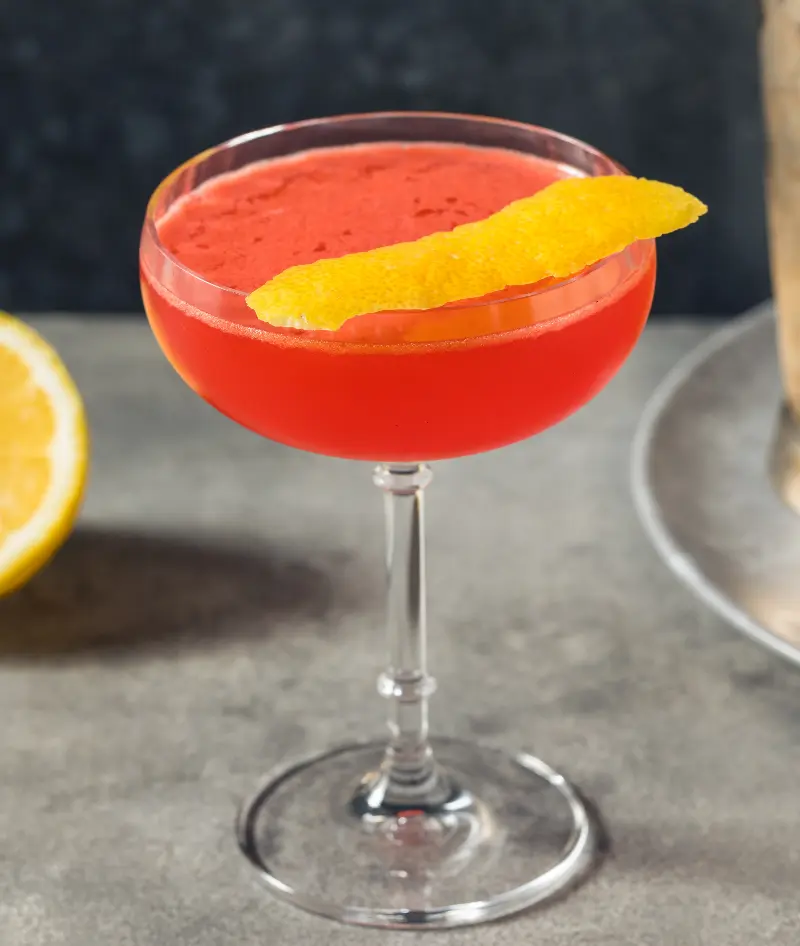
The Jack Rose is one of the great early American brandy cocktails: compact, balanced, and immediately recognizable once properly made. Apple brandy gives it a firm orchard-fruit core, citrus supplies brightness, and grenadine contributes both color and a subtle pomegranate depth.
At a glance, it can look simple. In practice, it is a tightly structured drink that depends on good balance and a proper apple base.
The Jack Rose is strongly associated with the early 20th century and with American applejack culture, but the origin of its name is more disputed than the recipe itself. Some accounts connect it to a figure in New York nightlife, others to the rose-like color in the glass, and still others to the spirit itself. The safest conclusion is that the drink was well established by the pre-Prohibition era, even if the naming story is not fully settled.
That uncertainty has not hurt the drink's reputation. If anything, it adds to its mystique.
What makes the Jack Rose distinctive is that it is not just another citrus-and-sugar sour. Apple brandy has weight, orchard aroma, and a slightly rustic edge that separates it from neutral spirits and even from grape-based brandy. Grenadine works well here because it adds fruit character without taking the drink in a tropical direction.
Some historical formulas use lime instead of lemon, or shift the proportions slightly. The broader identity remains the same: apple spirit, red fruit sweetness, and bright acid in equilibrium.
The Jack Rose survives because it offers a flavor profile that is at once familiar and unusual. It fits the sour family, but the apple base makes it feel distinctly American and distinctly seasonal. It is especially compelling in autumn, though it is balanced enough for year-round service.
It also occupies an appealing middle space: more vivid than a plain sour, less ornate than many later classics.
The Jack Rose remains one of the sharpest expressions of apple brandy in cocktail history. Clean, tart, and lightly rosy in tone, it proves how much personality can live inside a very small recipe.
Best in fall and cool-weather aperitif service, especially when orchard fruit and citrus feel like the right combination. 🍎🌹
Nutritional and allergen information are estimates and for educational purposes only. Ingredient formulations change frequently across different commercial brands. A generic ingredient name (e.g., "coffee liqueur") may contain hidden allergens, dairy, or animal products depending on the specific brand you purchase.
Always review the manufacturer packaging and actual ingredients you use before consuming, especially if you have severe food allergies or dietary restrictions. Use this website at your own risk.
Discover other related cocktails you might also enjoy, with similar ingredients, style, or spirit.
Explore the curated collections this cocktail belongs to, grouped by spirit, season, holiday, and occasion.
Find cozy fall cocktails with apple, pear, cinnamon, maple, and richer seasonal flavors.
Explore Thanksgiving cocktails that pair well with holiday dinners and warm fall flavors.

Find simple cocktails with minimal ingredients, quick prep, and easy at-home mixing.
Explore classic cocktails like old fashioneds, sours, martinis, and other timeless favorites.
Discover other related cocktails you might also enjoy, with similar ingredients, style, or spirit.
Explore the curated collections this cocktail belongs to, grouped by spirit, season, holiday, and occasion.
Find cozy fall cocktails with apple, pear, cinnamon, maple, and richer seasonal flavors.
Explore Thanksgiving cocktails that pair well with holiday dinners and warm fall flavors.
Find simple cocktails with minimal ingredients, quick prep, and easy at-home mixing.
Explore classic cocktails like old fashioneds, sours, martinis, and other timeless favorites.


