

Cezzi's
© 2026 Cezzis.com | All rights reserved.
© 2026 Cezzis.com | All rights reserved.
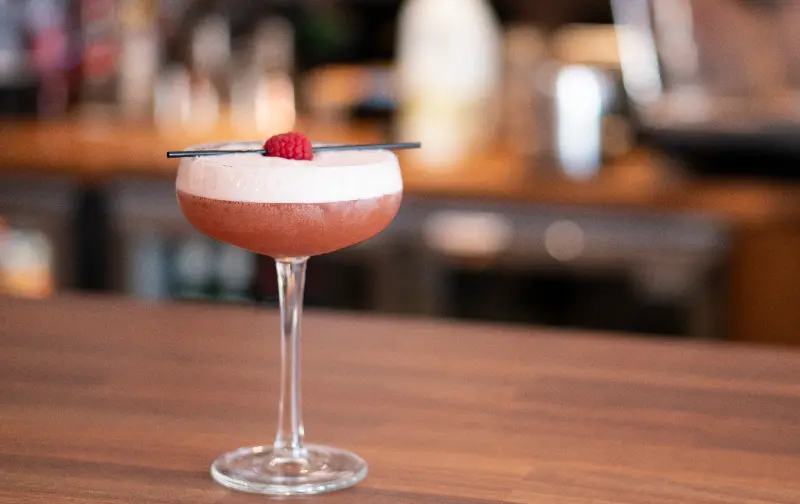
A late-20th-century vodka cocktail built from Chambord and pineapple juice, known for its plush texture and berry aroma.
Servings
1
The French Martini emerged during the period when the word martini expanded far beyond gin and vermouth. Unlike many drinks from that menu-boom era, it has remained relevant because its ingredients still make structural sense together: vodka for body, black raspberry liqueur for depth, and pineapple juice for lift and texture.
The French Martini is widely associated with the late-1980s and 1990s revival of upscale cocktail lounges in New York, though exact authorship is not always presented consistently. That uncertainty is common for drinks from the era, especially ones that spread quickly across fashionable bar programs.
What is clearer is the setting: a period when vodka drinks, premium liqueurs, and glamorous presentation were all rising together.
Pineapple juice is the element that makes the drink more than flavored vodka. When shaken, it creates a soft foam and a plush texture that carries the berry liqueur across the palate. Without it, the French Martini would be thinner and much less memorable.
That texture is part of why the drink lasted while many other "martini" variations did not. It offers more than a flavor gimmick.
The "French" in the title is usually understood as a nod to Chambord and the drink's polished, aspirational image rather than to an older French cocktail tradition. In that sense, the name belongs to branding as much as history.
Still, the drink has earned its place. It is visually attractive, easy to approach, and rich enough to feel special without becoming heavy.
Best in lounge settings, celebrations, and late-evening service where a softer, more elegant vodka drink is the right fit. 🍸🍍
Nutritional and allergen information are estimates and for educational purposes only. Ingredient formulations change frequently across different commercial brands. A generic ingredient name (e.g., "coffee liqueur") may contain hidden allergens, dairy, or animal products depending on the specific brand you purchase.
Always review the manufacturer packaging and actual ingredients you use before consuming, especially if you have severe food allergies or dietary restrictions. Use this website at your own risk.
Discover other related cocktails you might also enjoy, with similar ingredients, style, or spirit.
Explore the curated collections this cocktail belongs to, grouped by spirit, season, holiday, and occasion.

Browse light spring cocktails with citrus, herbs, floral notes, and fresh seasonal flavors.
Discover refreshing summer cocktails for hot days, outdoor parties, and easy weekend sipping.

Discover Valentine's Day cocktails with elegant presentation, sparkling pours, and date-night flavors.

Discover 4th of July cocktails for cookouts, fireworks parties, frozen drinks, and summer hosting.

Explore vodka cocktails that are clean, crisp, easy to mix, and highly versatile.

Find simple cocktails with minimal ingredients, quick prep, and easy at-home mixing.

Explore classic cocktails like old fashioneds, sours, martinis, and other timeless favorites.

Browse martinis from classic gin builds to vodka versions and modern twists.
Discover other related cocktails you might also enjoy, with similar ingredients, style, or spirit.
Explore the curated collections this cocktail belongs to, grouped by spirit, season, holiday, and occasion.
Browse light spring cocktails with citrus, herbs, floral notes, and fresh seasonal flavors.
Discover refreshing summer cocktails for hot days, outdoor parties, and easy weekend sipping.
Discover Valentine's Day cocktails with elegant presentation, sparkling pours, and date-night flavors.
Discover 4th of July cocktails for cookouts, fireworks parties, frozen drinks, and summer hosting.
Explore vodka cocktails that are clean, crisp, easy to mix, and highly versatile.
Find simple cocktails with minimal ingredients, quick prep, and easy at-home mixing.
Explore classic cocktails like old fashioneds, sours, martinis, and other timeless favorites.
Browse martinis from classic gin builds to vodka versions and modern twists.


