

Cezzi's
© 2026 Cezzis.com | All rights reserved.
© 2026 Cezzis.com | All rights reserved.
A citrusy tequila highball from Jalisco combining grapefruit, orange, lime, and grapefruit soda for a broader, juicier profile than the Paloma.
Servings
1
The Cantarito is often described as a relative of the Paloma, but that undersells it. Where the Paloma tends to focus on grapefruit and lift, the Cantarito broadens the picture with orange and lime, creating a tequila highball that feels fuller, juicier, and more regional in character.
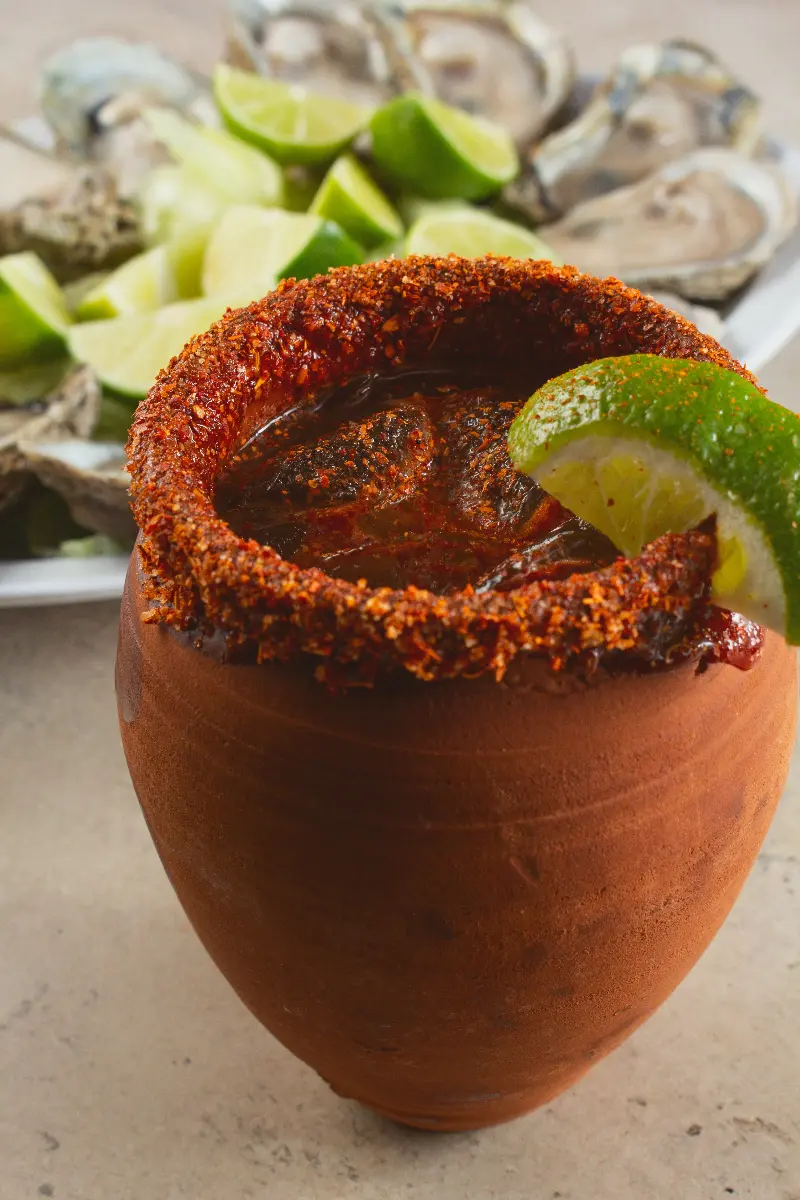
The Cantarito is strongly associated with Jalisco, the home state of tequila. It is often served in a small clay cup, the cantarito itself, which helps explain both the drink's name and part of its identity. Like many regional drinks, its exact historical timeline is less clear than its geographic association.
What is clearer is its cultural setting: roadside stops, cantinas, and warm-weather drinking where tequila and citrus naturally belong together.
The key difference is range. Grapefruit still matters, but orange and lime widen the drink and make it feel less linear than a standard Paloma. Reposado tequila also works especially well here because its mild barrel notes sit comfortably under the citrus without becoming too heavy.
That structure gives the Cantarito a little more depth while keeping it refreshingly direct.
Even outside Jalisco, the drink has spread because it offers something familiar and distinctive at once. It belongs to the same tequila-and-citrus world most drinkers already understand, but its broader juice profile gives it a more layered, almost festive feeling.
Served ice-cold, it lands as a highly practical cocktail: bright, sociable, and easy to revisit.
Best in warm weather, daytime service, and casual gatherings where a long tequila drink makes more sense than a sharper, shorter sour. 🍊🍹
Nutritional and allergen information are estimates and for educational purposes only. Ingredient formulations change frequently across different commercial brands. A generic ingredient name (e.g., "coffee liqueur") may contain hidden allergens, dairy, or animal products depending on the specific brand you purchase.
Always review the manufacturer packaging and actual ingredients you use before consuming, especially if you have severe food allergies or dietary restrictions. Use this website at your own risk.
Discover other related cocktails you might also enjoy, with similar ingredients, style, or spirit.
Explore the curated collections this cocktail belongs to, grouped by spirit, season, holiday, and occasion.

Browse light spring cocktails with citrus, herbs, floral notes, and fresh seasonal flavors.

Discover refreshing summer cocktails for hot days, outdoor parties, and easy weekend sipping.

Discover Cinco de Mayo cocktails with tequila, citrus, and lively flavors for a festive party spread.

Explore Memorial Day cocktails for cookouts, long weekends, and the start of summer entertaining.

Explore Day of the Dead cocktails with agave spirits, vivid color, and festive late-autumn energy.

Browse tequila cocktails with bright citrus, agave flavor, and everything from classics to modern favorites.
Discover other related cocktails you might also enjoy, with similar ingredients, style, or spirit.
Explore the curated collections this cocktail belongs to, grouped by spirit, season, holiday, and occasion.
Browse light spring cocktails with citrus, herbs, floral notes, and fresh seasonal flavors.
Discover refreshing summer cocktails for hot days, outdoor parties, and easy weekend sipping.
Discover Cinco de Mayo cocktails with tequila, citrus, and lively flavors for a festive party spread.
Explore Memorial Day cocktails for cookouts, long weekends, and the start of summer entertaining.
Explore Day of the Dead cocktails with agave spirits, vivid color, and festive late-autumn energy.
Browse tequila cocktails with bright citrus, agave flavor, and everything from classics to modern favorites.


