

Cezzi's
© 2026 Cezzis.com | All rights reserved.
© 2026 Cezzis.com | All rights reserved.
A vivid blue vodka highball with citrus brightness and light sweetness, known as much for its visual appeal as for its easy, refreshing structure.
Servings
1
The Blue Lagoon is a drink whose appearance explains its popularity before the first sip arrives. The bright blue color is part of the point, but the cocktail survives because the flavor is simple, light, and easy to like.
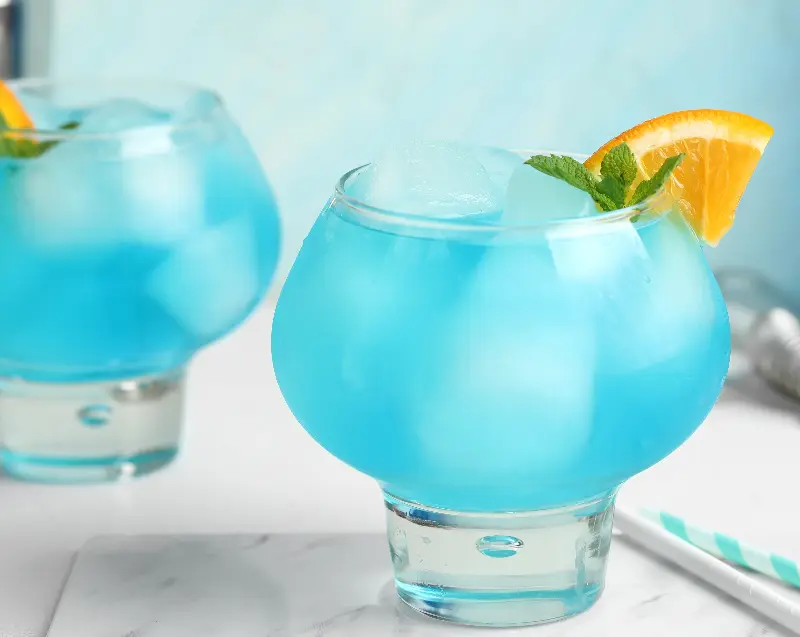
The Blue Lagoon is commonly linked to Harry's New York Bar in Paris and is often credited to Andy MacElhone. Like many mid-century and late-20th-century crowd-pleasers, it found durable life through clarity rather than intricacy. It is colorful, legible, and built for broad appeal.
That matters because novelty alone rarely keeps a drink alive for decades. The Blue Lagoon's staying power comes from the fact that it is not difficult to want a second sip.
Vodka keeps the frame neutral, while blue curacao brings both the signature hue and a soft orange-citrus sweetness. The classic long-drink idea is bright rather than spirit-heavy, which is why the drink often turns up in vacation bars, hotel lists, and party menus.
Many familiar versions use lemonade as the lengthener. This draft stays within the current ingredient catalog by using lemon juice, a small amount of syrup, and soda water to reach a similar bright, lightly sparkling result without changing the drink's overall character.
The Blue Lagoon belongs to a family of cocktails that are sometimes dismissed for being visually obvious, but obvious is not the same thing as ineffective. A drink that looks festive, tastes citrusy, and asks very little of the guest tends to keep its place.
Its strength is accessibility. The drink does not need mystery to do its job.
The Blue Lagoon remains useful because it delivers exactly what it promises: color, chill, and uncomplicated refreshment.
Best for warm-weather service, parties, and relaxed afternoons when brightness matters more than austerity. 🌊🍋
Nutritional and allergen information are estimates and for educational purposes only. Ingredient formulations change frequently across different commercial brands. A generic ingredient name (e.g., "coffee liqueur") may contain hidden allergens, dairy, or animal products depending on the specific brand you purchase.
Always review the manufacturer packaging and actual ingredients you use before consuming, especially if you have severe food allergies or dietary restrictions. Use this website at your own risk.
Discover other related cocktails you might also enjoy, with similar ingredients, style, or spirit.
Explore the curated collections this cocktail belongs to, grouped by spirit, season, holiday, and occasion.
Browse light spring cocktails with citrus, herbs, floral notes, and fresh seasonal flavors.
Discover refreshing summer cocktails for hot days, outdoor parties, and easy weekend sipping.
Discover 4th of July cocktails for cookouts, fireworks parties, frozen drinks, and summer hosting.
Find Labor Day cocktails for long-weekend gatherings, late-summer patios, and easy party drinks.

Explore vodka cocktails that are clean, crisp, easy to mix, and highly versatile.
Discover other related cocktails you might also enjoy, with similar ingredients, style, or spirit.
Explore the curated collections this cocktail belongs to, grouped by spirit, season, holiday, and occasion.
Browse light spring cocktails with citrus, herbs, floral notes, and fresh seasonal flavors.
Discover refreshing summer cocktails for hot days, outdoor parties, and easy weekend sipping.
Discover 4th of July cocktails for cookouts, fireworks parties, frozen drinks, and summer hosting.
Find Labor Day cocktails for long-weekend gatherings, late-summer patios, and easy party drinks.
Explore vodka cocktails that are clean, crisp, easy to mix, and highly versatile.


