

Cezzi's
© 2026 Cezzis.com | All rights reserved.
© 2026 Cezzis.com | All rights reserved.
A vivid tropical cocktail combining rum, blue curacao, pineapple juice, and coconut cream in a bright island-style serve.
Servings
1
The Blue Hawaiian is one of the most visually recognizable tropical drinks of the postwar era. Its color tends to dominate discussion, but the drink has a more meaningful identity than novelty alone: it is a resort-style rum cocktail built to suggest leisure, brightness, and immediate escape.
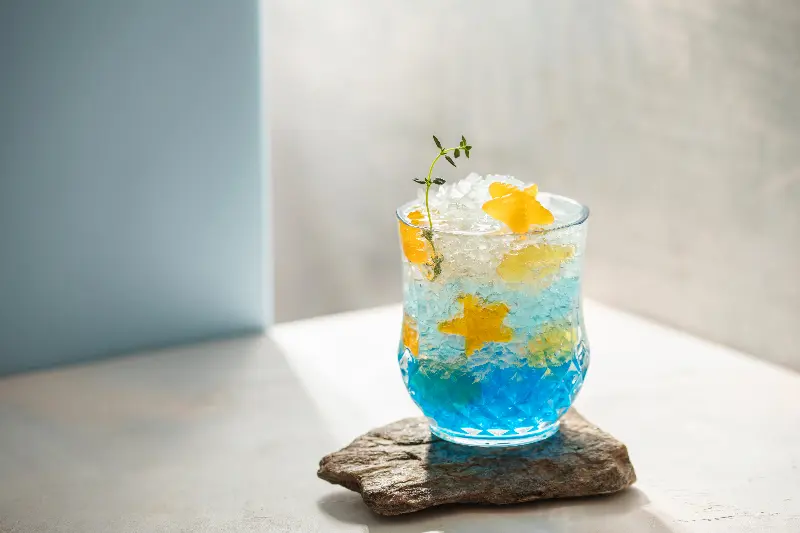
The Blue Hawaiian is commonly credited to Harry Yee at the Hilton Hawaiian Village in Waikiki in 1957, reportedly created in response to a request to feature blue curacao. That attribution is widely repeated and broadly accepted, though tropical drink history often contains overlapping variants and look-alike names.
It is also frequently confused with the Blue Hawaii. The two are related in appearance, but they are not identical drinks.
Blue curacao provides more than the striking hue. It adds orange-like aroma and sweetness that help bridge rum, pineapple, and coconut. Pineapple contributes acidity and body, while coconut cream softens the edges and gives the drink a resort-style richness.
In other words, the color attracts attention, but the texture is what keeps the drink appealing beyond the first glance.
The Blue Hawaiian belongs to an era when hotels and destination bars used cocktails to sell atmosphere as much as flavor. That context matters. The drink was designed to feel transporting, and it still performs that role well.
When made with restraint, it reads as tropical rather than cloying and celebratory rather than cartoonish. That balance explains why it remains on menus long after many novelty-colored drinks have disappeared.
Best for summer service, vacation-style menus, and any setting where a bright tropical resort drink is the point rather than an afterthought. 🍹🍍🌴
Nutritional and allergen information are estimates and for educational purposes only. Ingredient formulations change frequently across different commercial brands. A generic ingredient name (e.g., "coffee liqueur") may contain hidden allergens, dairy, or animal products depending on the specific brand you purchase.
Always review the manufacturer packaging and actual ingredients you use before consuming, especially if you have severe food allergies or dietary restrictions. Use this website at your own risk.
Discover other related cocktails you might also enjoy, with similar ingredients, style, or spirit.

Base: Jamaican Rum, Dark Overproof Rum
5.0 average rating
Base: Light Rum, Dark Rum
5.0 average rating
Base: Jamaican Rum, Gold Rum
5.0 average rating
Base: Rum
5.0 average rating
Base: Virgin Islands Rum
5.0 average rating
Base: Light Rum
5.0 average ratingExplore the curated collections this cocktail belongs to, grouped by spirit, season, holiday, and occasion.

Discover refreshing summer cocktails for hot days, outdoor parties, and easy weekend sipping.

Explore Memorial Day cocktails for cookouts, long weekends, and the start of summer entertaining.

Discover 4th of July cocktails for cookouts, fireworks parties, frozen drinks, and summer hosting.

Find rum cocktails from tropical favorites to richer spiced and dark rum drinks.

Find tropical cocktails with rum, fruit-forward flavors, frozen drinks, and beachy party favorites.
Discover other related cocktails you might also enjoy, with similar ingredients, style, or spirit.
Base: Jamaican Rum, Dark Overproof Rum
5.0 average ratingBase: Light Rum, Dark Rum
5.0 average ratingBase: Jamaican Rum, Gold Rum
5.0 average ratingBase: Rum
5.0 average ratingBase: Virgin Islands Rum
5.0 average ratingBase: Light Rum
5.0 average ratingExplore the curated collections this cocktail belongs to, grouped by spirit, season, holiday, and occasion.
Discover refreshing summer cocktails for hot days, outdoor parties, and easy weekend sipping.
Explore Memorial Day cocktails for cookouts, long weekends, and the start of summer entertaining.
Discover 4th of July cocktails for cookouts, fireworks parties, frozen drinks, and summer hosting.
Find rum cocktails from tropical favorites to richer spiced and dark rum drinks.
Find tropical cocktails with rum, fruit-forward flavors, frozen drinks, and beachy party favorites.