

Cezzi's
© 2026 Cezzis.com | All rights reserved.
© 2026 Cezzis.com | All rights reserved.
A vodka-and-cranberry drink softened by pineapple juice for a rounder, more tropical Breeze variation.
Servings
1
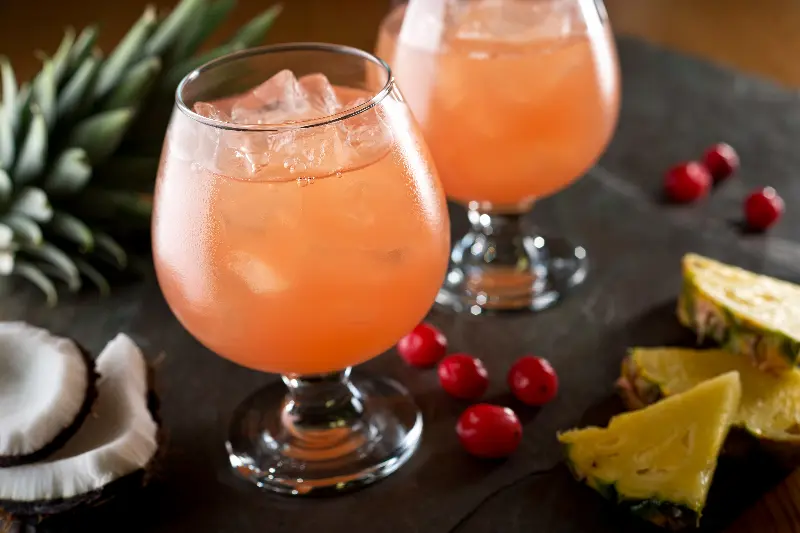
The Bay Breeze belongs to the same broad family as the Cape Codder and Sea Breeze, but it changes the mood by swapping grapefruit for pineapple. That one move shifts the cocktail away from bracing bitterness and toward a rounder, softer, more tropical impression.
Vodka keeps the structure clean. Cranberry contributes color and tartness. Pineapple supplies the gentler finish that defines the drink.
Like many vodka highballs that rose to prominence in the later 20th century, the Bay Breeze reflects an era when recognizable juice combinations became a central part of casual cocktail service. These were drinks built for speed, familiarity, and immediate appeal, but the better examples survive because the flavor logic is sound.
The Bay Breeze fits that pattern neatly. It is easy to understand at a glance and easy to enjoy without explanation.
Pineapple does more than add sweetness. It also broadens the texture of the drink, giving the Bay Breeze a slightly fuller, smoother profile than its grapefruit-based cousins. Cranberry still keeps it from becoming flat, but the tension is gentler.
That is why the Bay Breeze often reads as the most approachable member of the family. Where the Sea Breeze is sharper and the Cape Codder is more tart, the Bay Breeze feels softer around the edges.
The drink's staying power comes from how well it fits low-friction occasions. It works at brunch, on a patio, at a beach bar, or anywhere guests want something cold and fruit-forward that still reads as a cocktail rather than a soft drink.
Its simplicity also makes it durable. There is very little to obscure mistakes, but when the ratio is right, the drink feels complete.
The Bay Breeze is not a cocktail of intensity. It is a cocktail of ease, color, and clean fruit balance. That is enough to keep it relevant, and often enough to make it the right choice.
Best in summer and vacation settings, especially when a lighter tropical profile is more appealing than a sharper citrus edge. 🌊🍍
Nutritional and allergen information are estimates and for educational purposes only. Ingredient formulations change frequently across different commercial brands. A generic ingredient name (e.g., "coffee liqueur") may contain hidden allergens, dairy, or animal products depending on the specific brand you purchase.
Always review the manufacturer packaging and actual ingredients you use before consuming, especially if you have severe food allergies or dietary restrictions. Use this website at your own risk.
Discover other related cocktails you might also enjoy, with similar ingredients, style, or spirit.
Explore the curated collections this cocktail belongs to, grouped by spirit, season, holiday, and occasion.

Discover refreshing summer cocktails for hot days, outdoor parties, and easy weekend sipping.

Browse Easter cocktails with spring flavors, lighter styles, and brunch-friendly appeal.

Browse Mother's Day cocktails with brunch-friendly pours, floral notes, and polished celebratory drinks.
Explore Memorial Day cocktails for cookouts, long weekends, and the start of summer entertaining.

Discover 4th of July cocktails for cookouts, fireworks parties, frozen drinks, and summer hosting.

Find Labor Day cocktails for long-weekend gatherings, late-summer patios, and easy party drinks.

Explore vodka cocktails that are clean, crisp, easy to mix, and highly versatile.

Find tropical cocktails with rum, fruit-forward flavors, frozen drinks, and beachy party favorites.
Discover other related cocktails you might also enjoy, with similar ingredients, style, or spirit.
Explore the curated collections this cocktail belongs to, grouped by spirit, season, holiday, and occasion.
Discover refreshing summer cocktails for hot days, outdoor parties, and easy weekend sipping.
Browse Easter cocktails with spring flavors, lighter styles, and brunch-friendly appeal.
Browse Mother's Day cocktails with brunch-friendly pours, floral notes, and polished celebratory drinks.
Explore Memorial Day cocktails for cookouts, long weekends, and the start of summer entertaining.
Discover 4th of July cocktails for cookouts, fireworks parties, frozen drinks, and summer hosting.
Find Labor Day cocktails for long-weekend gatherings, late-summer patios, and easy party drinks.
Explore vodka cocktails that are clean, crisp, easy to mix, and highly versatile.
Find tropical cocktails with rum, fruit-forward flavors, frozen drinks, and beachy party favorites.


