

Cezzi's
© 2026 Cezzis.com | All rights reserved.
© 2026 Cezzis.com | All rights reserved.
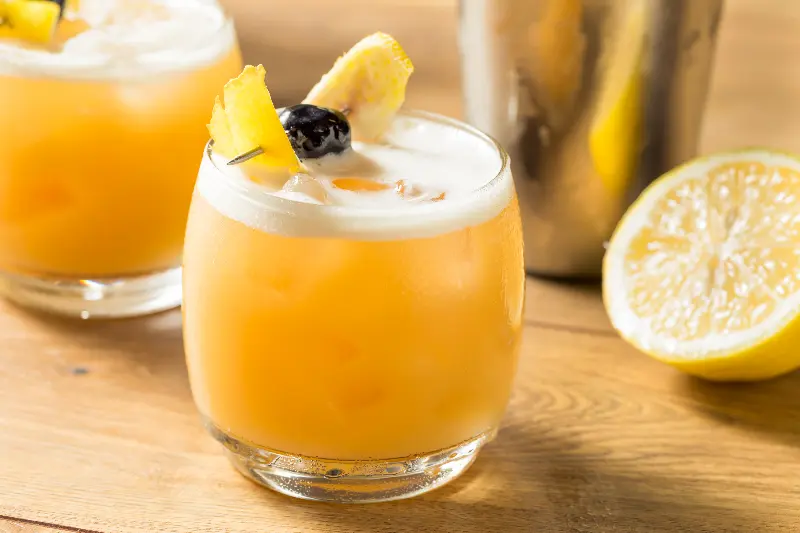
A balanced Amaretto Sour combining almond liqueur, lemon, bourbon, and egg white for lift, structure, and foam.
Servings
1
The Amaretto Sour is a drink with two reputations. One belongs to the sweet, easy-drinking liqueur cocktails that became popular in the 1970s and 1980s. The other belongs to the more balanced modern version, where citrus, whiskey, and texture keep the drink from collapsing into sugar.
Amaretto's rise outside Italy came during a period when sweeter liqueurs were becoming highly visible in American drinking culture. The Amaretto Sour grew from that moment, offering an approachable entry point for drinkers who wanted something softer than a whiskey-based sour.
Its early popularity was understandable, but many versions were overly sweet. That imbalance shaped the drink's reputation for years.
Contemporary bartenders often correct that problem by borrowing structure from whiskey sours and daisies. Lemon brings needed acidity. A small amount of bourbon deepens the center of the drink without overwhelming the almond character. Egg white adds lift and texture rather than extra sweetness.
That is the key to the modern Amaretto Sour. It still tastes like amaretto, but now it behaves like a proper cocktail.
The drink remains relevant because it shows how a once-dismissed recipe can be improved without losing its identity. At its best, the Amaretto Sour is soft, fragrant, and nutty, but also bright enough to stay composed from first sip to last.
It appeals to a wide range of drinkers for the same reason. It is gentler than many spirit-forward cocktails, yet more structured than dessert-style drinks.
Best in evening service and after dinner, especially when a richer sour profile makes more sense than something lean and bracing. 🥃🍋
Nutritional and allergen information are estimates and for educational purposes only. Ingredient formulations change frequently across different commercial brands. A generic ingredient name (e.g., "coffee liqueur") may contain hidden allergens, dairy, or animal products depending on the specific brand you purchase.
Always review the manufacturer packaging and actual ingredients you use before consuming, especially if you have severe food allergies or dietary restrictions. Use this website at your own risk.
Discover other related cocktails you might also enjoy, with similar ingredients, style, or spirit.
Explore the curated collections this cocktail belongs to, grouped by spirit, season, holiday, and occasion.
Find cozy fall cocktails with apple, pear, cinnamon, maple, and richer seasonal flavors.

Explore winter cocktails with rich flavors, warming spices, and festive cold-weather appeal.
Discover Valentine's Day cocktails with elegant presentation, sparkling pours, and date-night flavors.

Find Father's Day cocktails with whiskey-forward classics, bold stirred drinks, and confident summer pours.
Explore Thanksgiving cocktails that pair well with holiday dinners and warm fall flavors.

Find Christmas cocktails for holiday parties, family dinners, and festive seasonal sipping.
Discover bourbon cocktails from strong classics to smooth whiskey drinks with rich, oaky flavor.

Browse whiskey cocktails with bourbon, rye, and other styles ranging from strong classics to smoother mixed drinks.

Find after-dinner cocktails with rich flavors, dessert-friendly profiles, and digestif-style appeal.
Discover other related cocktails you might also enjoy, with similar ingredients, style, or spirit.
Explore the curated collections this cocktail belongs to, grouped by spirit, season, holiday, and occasion.
Find cozy fall cocktails with apple, pear, cinnamon, maple, and richer seasonal flavors.
Explore winter cocktails with rich flavors, warming spices, and festive cold-weather appeal.
Discover Valentine's Day cocktails with elegant presentation, sparkling pours, and date-night flavors.
Find Father's Day cocktails with whiskey-forward classics, bold stirred drinks, and confident summer pours.
Explore Thanksgiving cocktails that pair well with holiday dinners and warm fall flavors.
Find Christmas cocktails for holiday parties, family dinners, and festive seasonal sipping.
Discover bourbon cocktails from strong classics to smooth whiskey drinks with rich, oaky flavor.
Browse whiskey cocktails with bourbon, rye, and other styles ranging from strong classics to smoother mixed drinks.
Find after-dinner cocktails with rich flavors, dessert-friendly profiles, and digestif-style appeal.


